
TL;DR:
- Effective creator onboarding involves thorough preparation, clear communication, and compliance training to ensure consistent, compliant content production from the start. Structured workflows, including asset libraries, detailed briefs, and approval processes, help prevent delays and legal issues. Building ongoing support and trust with creators leads to sustained engagement and better content over time.
Creator onboarding is the structured process of equipping new content creators with the tools, guidelines, and communication they need to produce consistent, compliant content from day one. When you know how to onboard new creators the right way, you get confident creators, fewer revision cycles, and content that actually reflects your brand. The process covers everything from pre-launch preparation and welcome communication to compliance training and ongoing check-ins. Agencies that skip or rush this process pay for it later in missed deadlines, FTC violations, and creator churn. This guide breaks down every stage so you can build an onboarding process that scales.
The work you do before a creator ever logs in determines how smooth the first 30 days will be. Agencies that formalize onboarding workflows covering compliance, creative briefing, governance, tracking, and payouts avoid the mid-campaign scrambles that derail launches. Preparation is not optional. It is the foundation.
Here is what to organize before your first creator touchpoint:
Pro Tip: Send new creators a short pre-onboarding survey asking about their content setup, preferred communication style, and any past brand partnership experience. The answers let you personalize the onboarding without adding a single extra meeting.

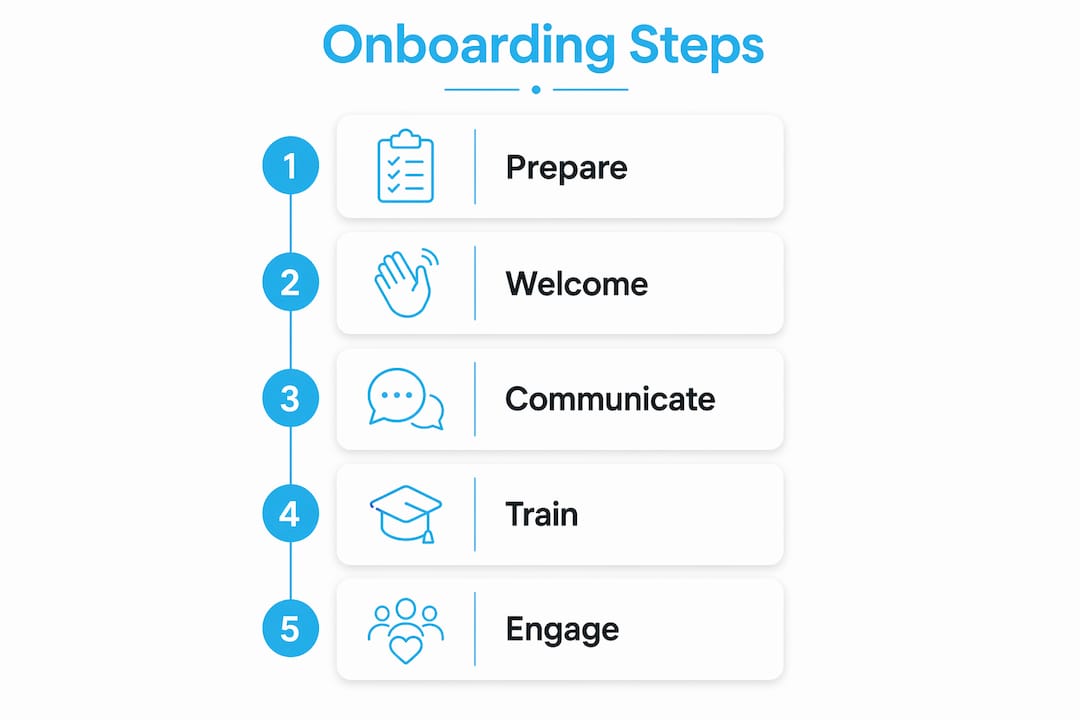
Strong communication during the onboarding process for creators is what separates a confident creator from a confused one. The goal is clarity without overload. Concise contracts and clear approval timelines prevent the information dump that causes creators to disengage before they even start.
Follow this sequence for the first two weeks:
Pro Tip: Keep your brand brief to one page. If a creator needs to read 12 pages before they can post anything, you will lose them before the first piece of content goes live.
The right tools reduce miscommunication and cut the time between contract signing and first content submission. Below is a comparison of the core documentation types and what each one should accomplish:
| Document or tool | Purpose | What to include |
|---|---|---|
| Welcome kit | Immediate creator enablement | Brand assets, promo codes, disclosure examples, dos and don’ts |
| Content brief | Per-campaign direction | Deliverable specs, messaging pillars, approved hashtags, deadlines |
| Compliance guide | Legal and platform alignment | FTC disclosure rules, platform-specific requirements, approved wording |
| Contract | Legal protection for both parties | Usage rights, whitelisting permissions, payment terms, revision limits |
| Creator portal or platform | Centralized operations | Contract storage, content approvals, payment tracking, communication logs |
Providing new creators a ready-to-publish asset kit with images, disclosure examples, and brief dos and don’ts reduces misinterpretation and speeds approvals. This is one of the highest-leverage moves in the entire onboarding process. A creator who has everything they need on day one produces better content faster.
Explicit feedback and approval workflows with set service-level agreements prevent bottlenecks and improve onboarding flow at scale. Define your review turnaround time in writing. If your team takes five business days to review a draft, say so upfront. Creators plan their schedules around your timelines.
Compliance training is the part of the onboarding process most agencies handle poorly. They either skip it entirely or hand creators a wall of legal text with no context. Neither approach works. Legal compliance aspects of onboarding must translate rules into clear, actionable instructions with examples rather than vague directives.
The FTC’s core standard is straightforward: disclosures must be clear and conspicuous, meaning difficult to miss and plainly understandable by an ordinary consumer. That standard applies to every format, every platform, and every type of material connection.
Here is what your compliance training should cover:
“Compliance training works best when you show creators exactly what a correct post looks like, not just what the rules say. One annotated example beats three paragraphs of policy every time.”
Even well-planned onboarding runs into friction. Knowing where the common failure points are lets you build solutions before problems appear.
Effective creator onboarding requires structured preparation, clear communication, and compliance training delivered before the first piece of content is produced.
| Point | Details |
|---|---|
| Prepare before outreach | Organize assets, contracts, and workflows before the creator joins to avoid delays. |
| Communicate in stages | Use welcome emails, discovery calls, and check-in surveys to guide creators without overwhelming them. |
| Document everything | Provide welcome kits, content briefs, and compliance guides so creators have clear references. |
| Train on compliance specifically | Teach FTC disclosure rules with format-specific examples and require pre-post verification. |
| Fix bottlenecks proactively | Set written SLAs for approvals and use creator management platforms to track progress. |
Most agencies treat onboarding as a one-time handoff. Send the contract, share the brief, and assume the creator is ready to go. That approach works until it doesn’t, and it usually stops working at the worst possible moment, right before a campaign launch.
What I’ve found is that onboarding is a continuous engagement cycle, not a single event. The creators who produce the best content over time are the ones who feel consistently supported, not just briefed once and left to figure things out. That means check-ins, updated briefs when campaigns change, and a genuine feedback loop that goes both ways.
The compliance piece is where I see the most avoidable damage. Agencies hand creators a PDF of FTC guidelines and call it training. Creators skim it, miss the placement requirements, and post content that creates legal exposure for everyone involved. The fix is simple: show them a correct example and an incorrect one, side by side. That takes 10 minutes and prevents problems that can cost far more than $50,000 per incident.
The other thing I’d push back on is the instinct to control everything. The best creator relationships I’ve seen are built on a clear framework with room for the creator’s actual voice inside it. When you trust creators to execute within well-defined boundaries, you get content that their audience actually believes. That is worth more than any perfectly scripted post.
Technology makes all of this easier to manage at scale. Platforms like Grin and Aspire handle contracts, approvals, and payments in one place. But the human side, the discovery call, the personal welcome, the honest feedback conversation, is what determines whether a creator stays engaged past the first campaign.
— Gjon
Building a creator program from scratch takes time, systems, and experience most agencies are still developing. Only Dreams has spent years refining the creator management best practices that turn new creator relationships into consistent revenue. Whether you are managing your first cohort or scaling to dozens of creators, the operational side of the business requires more than good intentions.
Only Dreams handles the full operational layer: account management, fan engagement, content strategy, and cross-platform growth. If you want to understand what professional creator management looks like in practice, or if you are ready to hand off the operational work entirely, the team at Only Dreams is ready to help you build something that lasts. Visit only-dreams.com to explore what is possible.
A creator onboarding process includes welcome communication, asset sharing, a compliance brief, contract review, and a defined approval workflow. The goal is to give creators everything they need to produce compliant, on-brand content before their first submission.
An onboarding duration of one to two weeks is the standard recommendation, as it avoids confusion while maintaining campaign momentum. Rushing the process below 48 hours consistently produces misaligned content and costly revision cycles.
The FTC requires disclosures to be clear and conspicuous for any material connection between a creator and a brand. Creators must disclose paid partnerships on every platform and in every format, including YouTube videos using the paid promotion checkbox.
Set a written service-level agreement for content review, assign a single approval contact, and use a creator management platform to track submission status. Explicit approval workflows with defined turnaround times prevent content from sitting in review past posting windows.
A creator welcome kit should include brand assets, approved promo codes, disclosure examples, and a one-page list of content dos and don’ts. Providing this kit on day one reduces misinterpretation and speeds up the first content approval.